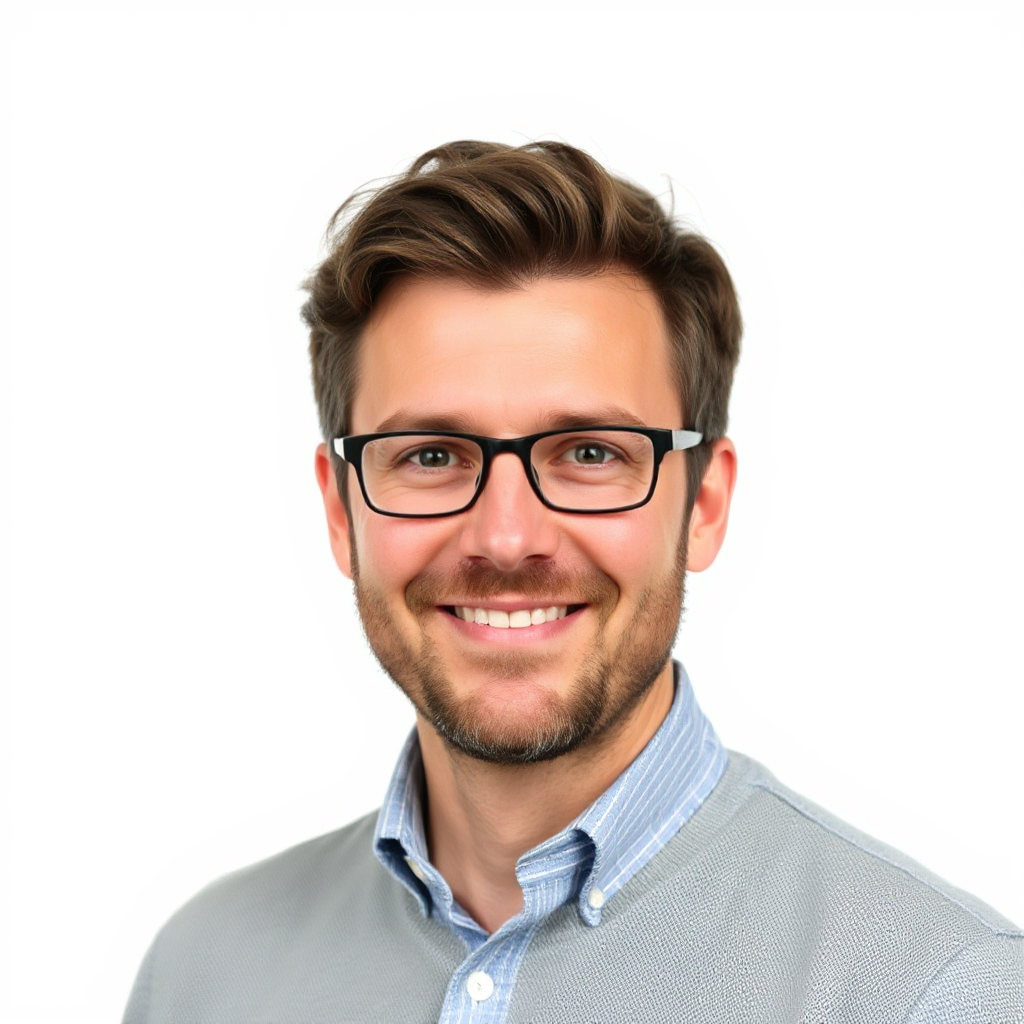
One-time Second-in-Command Dick Cheney: A Retrospective on His Impactful Time in Office
The deceased US vice-president Dick Cheney, who passed away at the age of 84, was regarded as arguably the most influential occupants of that position in American history. While many second-in-commands had to settle for marginal or ceremonial functions, Cheney exercised enormous sway during the presidency of George W Bush, to such an extent that he was frequently described as the "real president".
Bush objected to that description and stated the dynamic was more complicated. He observed that Cheney was courteous, invariably referring to him in official appearances as the President, while he addressed him as Dick. Bush disputed even portrayals of their association as a team because it suggested that they were peers. Despite such protestations, Cheney viewed the relaxed president malleable on a broad range of policy decisions.
A Aftermath of 9/11
At the head of a faction of neo-cons that encompassed military head Donald Rumsfeld and deputy defence secretary Paul Wolfowitz, he vigorously promoted the invasion of Iraq in 2003 in response to the September 11th attacks on New York and Washington. When of the 9/11 attack, Bush had been participating in a session at a school in Florida. While Bush headed for a secret bunker in Nebraska, Cheney took charge, directing the destruction of any non-communicating aircraft nearing the government building.
Cheney claimed the assaults changed him, leading him to become determined on retribution. In conjunction with other neo-cons, like Rumsfeld and Wolfowitz, he campaigned for a invasion of Afghanistan in an endeavor to apprehend Osama bin Laden. Cheney then strongly advocated for the armed intervention of Iraq, although there was insufficient indication of Saddam Hussein playing a role.
Controversial Actions
He expressed no regrets about the military campaign, in which an approximated 100,000 Iraqis perished, nor about the harsh treatment of individuals rounded up after 9/11. He told CNN in 2015 that the Iraq military action, which was based on faulty information echoed by Cheney, was the correct path to take. "It was the proper decision to do then. I had faith then and I maintain that stance now."
But even at the time, there were contrary opinions at a top tier about the mishandling of Iraq. One of the administration's own special envoys to the Middle East, General Anthony Zinni (2001-03), was not retained from the post. "I saw, as a baseline," he wrote later "clear negligence, carelessness, and irresponsibility: at worst, falsehoods, ineptitude, and corruption."
Broader Context
Cheney was not solely responsible for the Iraq campaign. Even before 9/11, Wolfowitz had advocated for such action. He had composed a document setting out circumstances in which American interests might be endangered (encompassing "obtaining crucial commodities, primarily Persian Gulf oil"). Wolfowitz had asserted that "America should be prepared to operate alone when collective action prove impossible," explicitly referencing armed actions against Iraq.
Bush additionally had arrived in the Oval Office somewhat determined on carrying out what his predecessor had famously refused to do in 1991; overthrow Saddam. Following he had been fired by the president, the treasury secretary Paul O'Neill recounted how, at the opening session of the National Security Council in January 2001, Bush had announced his intention of reducing America's participation in the Middle East dispute and proposed military action against Iraq.
Bush carried a private grievance against Saddam, believing he had been behind a conspiracy to assassinate his parent, President George HW Bush, on a journey to Kuwait in 1993. He additionally resented that one of the biggest accommodations in Baghdad had a surface artwork with a portrait of his predecessor's face that each person had to step on.
Investigation Approaches
Yet it was Cheney who was one of the most vociferous advocating invading Iraq, frequently quoting information documents that were either insubstantial or entirely inaccurate. He supported what the Bush government politely called as "enhanced interrogation", the employment of interrogation method and harsh treatment.
Addressing a Senate analysis in 2014 that determined that no useful information had come from the harsh techniques, Cheney disregarded the report as "full of crap". He informed Fox News: "We asked [the CIA] to take steps and put in place procedures to apprehend the individuals who killed 3,000 of us on 9/11 and ensure it would not recur. That's exactly what they did and they deserve a lot of recognition."
Public Image
Cheney took pleasure in nicknames assigned to him by critics such as Darth Vader and the dark figure, and by the idea that he was a shadow power controlling Bush. In Peter Baker's 2013 publication about the pair, Days of Fire: Bush and Cheney in the White House, Cheney is reported as stating: "Is it me who is the sinister strategist in the corner that nobody ever sees leave his hole? It's a advantageous way to function, actually."
Commercial Ties
Dispute over his commercial relationships followed him through his period as vice-president. Although he had little experience in business but good contacts in security, particularly in Saudi Arabia, he was offered a position at Halliburton, one of the world's most substantial petroleum conglomerates, in 1995 as chairman and top executive.
In 2000 he became Bush's VP candidate for the presidency. Debatably, during the conflict in Iraq, Halliburton was awarded US deals totaling substantial sums.
It significantly boosted his finances. His annual income during his tenure at the company grew from his previous salary during his time as defence secretary to $4.4m. When he departed in 2000 he had a compensation package totaling over $20m|twenty